Iran Imposes New Conditions and Fees for Strait of Hormuz Passage: Global Oil and Trade Brace for Impact
Iran has announced new conditions and fees for transit through the Strait of Hormuz, a critical global chokepoint. This move has significant implications for oil markets and international trade.

QR Code
Key Highlights
- Iran has announced the reopening of the Strait of Hormuz, introducing new transit conditions.
- Additional fees for maritime vessels navigating the strategic waterway are now being implemented.
- This development is expected to significantly impact global oil prices and international trade logistics.
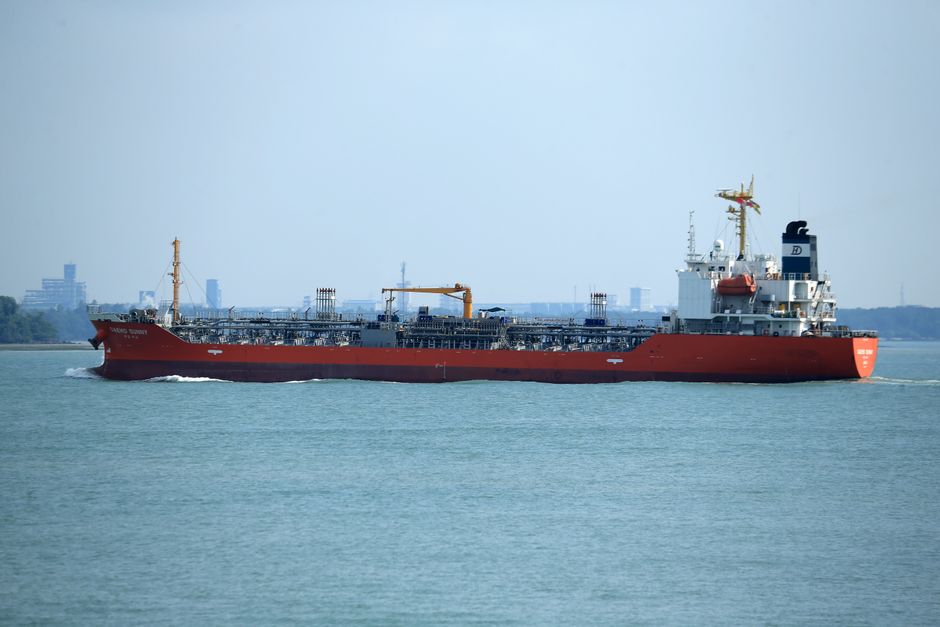
Tehran has officially confirmed the reopening of the Strait of Hormuz, a critical maritime chokepoint, but with the immediate imposition of new conditions and a structured fee system for vessels seeking passage. This declaration marks a significant shift in regional dynamics and presents an immediate challenge for international shipping, particularly for the global energy sector.

The Strait of Hormuz is arguably the world's most vital oil transit waterway. It connects the Persian Gulf to the Arabian Sea, through which roughly one-fifth of the world's total oil supply, along with a substantial portion of liquefied natural gas (LNG), passes daily. Its strategic importance cannot be overstated, making any changes to its accessibility a matter of global economic and geopolitical concern.
The Strategic Chokepoint and Iran's Stance
For decades, Iran has asserted its right to control navigation through the Strait, often citing sovereign waters and national security. The latest move to introduce conditions and fees appears to be a dual strategy: to leverage its geographical position for economic benefit and to reinforce its geopolitical standing in the region.
Details emerging suggest that the conditions include stricter compliance protocols for transiting vessels, potentially extending to cargo declarations and heightened security checks. The fee structure remains under close scrutiny by international maritime bodies and shipping companies, with initial reports indicating charges based on vessel size and cargo type.
Implications for Global Oil Markets
The immediate fallout for global oil markets is expected to be multifaceted. Shipping companies will likely pass the new transit fees onto consumers, potentially leading to an uptick in the cost of crude oil and refined products. This additional financial burden comes at a time when global energy markets are already navigating complex supply-demand dynamics and geopolitical uncertainties.
Analysts are closely monitoring how major oil-producing nations in the Gulf, such as Saudi Arabia, UAE, Qatar, and Kuwait, will react. These nations heavily rely on the Strait for their oil and gas exports. Any disruption or significant increase in shipping costs could force them to explore alternative, albeit often more expensive or limited, export routes.
Broader Impact on International Trade
Beyond crude oil and LNG, the Strait of Hormuz is also a crucial artery for general cargo and container ships moving between Europe, Asia, and Africa. The new fees and conditions could lead to increased operational costs for global shipping lines, impacting supply chains for a wide array of goods.
Insurance premiums for vessels operating in the region are also anticipated to rise, further contributing to the overall cost of international trade. This could potentially lead to delays, diversions, and ultimately higher prices for goods reaching consumers worldwide, adding inflationary pressures.
International Response and Future Outlook
The international community, particularly nations dependent on the Strait for energy supplies and trade, is expected to voice concerns over the legality and implications of Iran's unilateral decision under international maritime law, specifically the United Nations Convention on the Law of the Sea (UNCLOS).
Diplomatic efforts are likely to intensify to understand the full scope of Iran's new regulations and to mitigate potential economic fallout. The situation underscores the delicate balance of power in the Middle East and the critical role energy routes play in global stability.
Frequently Asked Questions
- Why is the Strait of Hormuz so important for global trade?
The Strait of Hormuz is a narrow waterway connecting the Persian Gulf to the open ocean. It is the transit point for approximately 20-21% of the world's petroleum liquids consumption, making it crucial for global energy supply and, by extension, international trade stability. - What kind of 'conditions and fees' has Iran reportedly imposed?
While specific, detailed lists are still emerging, reports indicate new transit fees based on vessel size and cargo type. Conditions may include stricter compliance with Iranian maritime protocols, potentially involving increased scrutiny of cargo and crew, and mandatory reporting for all vessels seeking passage through the Strait.
Stay tuned to Vews News for the latest developments.
What's Your Reaction?
Like
0
Dislike
0
Love
0
Funny
0
Wow
0
Sad
0
Angry
0
Dark Stories is a vews.in author sharing true tales that explore life’s darker sides—stories of struggle, mystery, and human depth that leave a lasting impact.
Related Posts
Security Check
Please complete the captcha to verify you are human.
40°C Bahraich
Comments (0)