 30°C Bahraich
Article
India
LPG Crisis Deepens: Gig Workers Face Income Squeeze as Food Delivery Orders Plummet
An acute LPG shortage is severely impacting India's gig economy, with food delivery workers facing drastically reduced earnings and order volumes.

Dark Stories
Author
I
India
NEWS CARD


Vews
https://vews.in/s/15871f
Date
16 March 2026
Table of Contents
Key Highlights
- An escalating LPG shortage is significantly disrupting India's burgeoning gig economy.
- Food delivery platforms are witnessing a notable drop in orders as restaurant operations are hampered.
- Gig workers, particularly delivery personnel, are grappling with reduced incomes and increased operational costs.
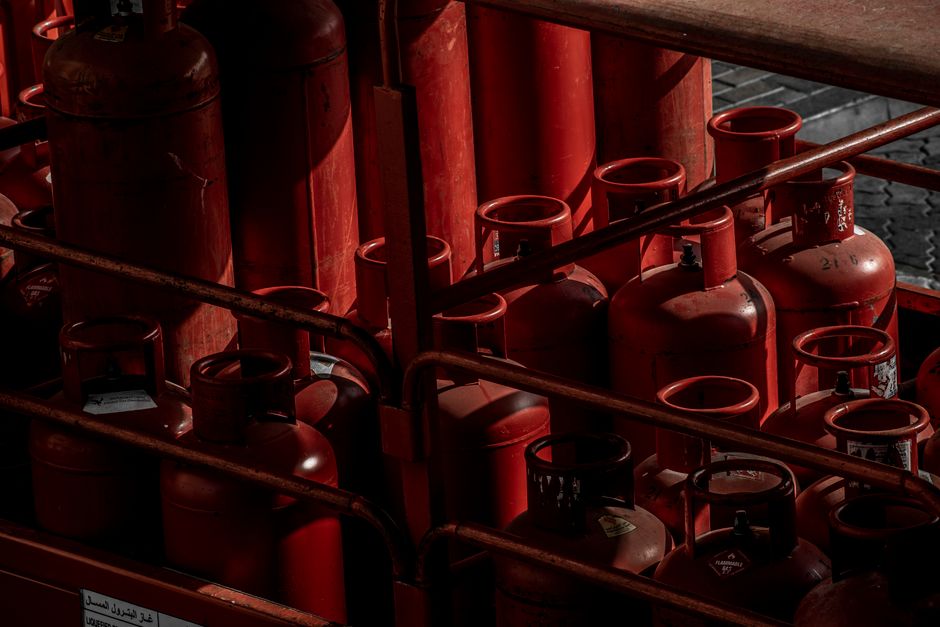
The ripple effects of an acute Liquefied Petroleum Gas (LPG) shortage are now palpably hitting India's gig economy, casting a dark shadow over the livelihoods of thousands of delivery personnel and impacting the nation's food service industry. Across major urban centres, the scarcity of cooking gas has led to operational challenges for eateries and a noticeable dip in consumer demand for food delivery services.


What's Your Reaction?
 Like
0
Like
0
 Dislike
0
Dislike
0
 Love
0
Love
0
 Funny
0
Funny
0
 Wow
0
Wow
0
 Sad
0
Sad
0
 Angry
0
Angry
0
Dark Stories is a vews.in author sharing true tales that explore life’s darker sides—stories of struggle, mystery, and human depth that leave a lasting impact.
Related Posts

Gogi and Tillu Gone, But Their Shadow War Engulfs Delhi Streets

Iran Names US Navy Officers Over Minab School Strike, Igniting Fres...

Bihar Board Class 10 Results Expected Shortly: Here's Your Direct L...

Jewar Airport: Yogi Adityanath Declares Uttar Pradesh's Global Avia...

Delhi CM Assures Uninterrupted Services Amidst West Asia Conflict, ...
Comments (0)