Lost Signals, Risky Waters: How One Oil Tanker Braved the Strait of Hormuz for Mumbai

An oil tanker successfully braved GPS disruptions and lost signals while navigating the challenging Strait of Hormuz on its way to Mumbai, showcasing maritime resilience.

Furkan S Khan
Furkan S Khan Verified Public Figure • 05 Aug, 2014 Chief Editor
Mar 13, 2026 • 1:35 PM  3  0
I
India
NEWS CARD
Logo
Lost Signals, Risky Waters: How One Oil Tanker Braved the Strait of Hormuz for Mumbai
“Lost Signals, Risky Waters: How One Oil Tanker Braved the Strait of Hormuz for Mumbai”
Favicon
Read more on www.vews.in/s/8fbbd5
13 Mar 2026
https://www.vews.in/s/8fbbd5
Copied
Lost Signals, Risky Waters: How One Oil Tanker Braved the Strait of Hormuz for Mumbai
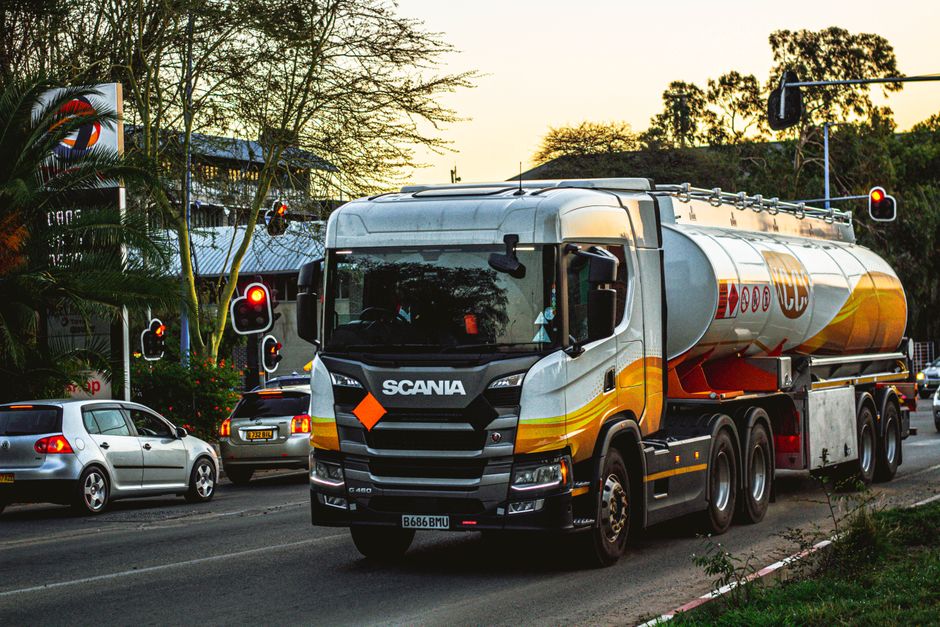
AI generated image via Pexels - Topic: Lost Signals, Risky Waters: How One Oil Tanker Braved the Strait of Hormuz for Mumbai
Advertisement
Advertisement

A Challenging Voyage: From Perilous Waters to Safe Shores

Imagine being out at sea, carrying a massive cargo, and suddenly your reliable GPS system starts acting up, or worse, goes completely blank. That's precisely the nail-biting scenario an oil tanker recently navigated as it made its way through the notoriously tricky Strait of Hormuz en route to Mumbai. It was a journey filled with 'GPS disruptions' and 'lost signals,' turning a routine transit into quite the adventure.

Advertisement
Advertisement
Advertisement
Advertisement

This isn't just a story of a ship reaching its destination; it's a testament to the crew's skill and the inherent challenges of modern maritime navigation in some of the world's most critical waterways.

Understanding the Strait of Hormuz: A Global Chokepoint

For those unfamiliar, the Strait of Hormuz isn't just any stretch of water. It's a narrow, yet incredibly vital, chokepoint connecting the Persian Gulf with the Arabian Sea and beyond. Think of it as a super-highway for oil and gas – roughly a fifth of the world's total oil consumption passes through this strait every single day. That's a staggering amount!

But its importance also makes it a hotbed of geopolitical activity and, at times, tension. This strategic significance, coupled with its inherent geographical challenges, makes it one of the most closely watched and potentially hazardous maritime passages globally.

Why is it so Risky?

  • Narrow Passage: The strait is quite narrow in parts, leaving little room for error, especially with the high volume of traffic.
  • Geopolitical Tensions: The region is often fraught with political complexities, which can spill over into maritime security concerns.
  • Navigational Challenges: Heavy traffic, shifting currents, and the need for constant vigilance make navigation demanding even on a good day.

The Silent Threat: GPS Disruptions and Lost Signals

Now, let's talk about the real drama of this particular voyage: the 'GPS disruptions' and 'lost signals.' In today's highly technologically advanced shipping world, vessels rely heavily on Global Positioning Systems (GPS) for accurate navigation. It's how they know exactly where they are, chart their course, and avoid collisions.

Want to build a stunning website like Vews.in?

Start your own news portal or blog today! We can build a fast, secure, and fully customized website with a powerful admin panel just like Vews.in. Connect with us now!

Chat on WhatsApp

When these signals are disrupted or lost, it's like driving blindfolded. It forces the crew to revert to older, more traditional navigation methods, which, while reliable, require intense concentration, expertise, and a lot more manual effort. These disruptions aren't always just 'glitches'; sometimes, they can be attributed to deliberate jamming or spoofing attempts, adding another layer of complexity and potential danger.

What Losing GPS Means for a Ship:

  • Difficulty in precise positioning.
  • Increased risk of collision with other vessels or landmasses.
  • Challenges in maintaining the correct course, especially in busy shipping lanes.
  • Reliance on backup systems and traditional navigation tools, demanding greater human vigilance.

A Story of Skill and Resilience: Reaching Mumbai

Despite these serious navigational hurdles, the oil tanker and its crew successfully navigated the treacherous waters of the Strait of Hormuz. Their journey culminated in a safe arrival at Mumbai, a major port city in India. This safe arrival isn't just a sigh of relief for the crew and the shipping company; it's a quiet victory against challenging odds.

It underscores the incredible skill and professionalism of maritime crews who are trained to handle such emergencies. It also highlights the robustness of the maritime industry's safety protocols and the backup systems in place, even when primary technologies like GPS face interference.

What This Means for Global Shipping

This incident, while successfully resolved, serves as a fresh reminder of the vulnerabilities in global maritime trade. As technology advances, so do the methods of disruption. It emphasizes the ongoing need for:

  • Enhanced maritime security measures in critical chokepoints.
  • Development and implementation of more resilient navigation systems.
  • Continuous training for crews to adapt to traditional navigation methods when modern tools fail.

Ultimately, this oil tanker's journey to Mumbai, battling GPS woes in the Strait of Hormuz, is a compelling story of human resilience and technological challenges in the high seas. It's a clear signal that even in our hyper-connected world, the ancient art of seamanship remains as vital as ever.

auto_awesome Ai Assisted

This news article is automatically generated and published by an AI system. It selects trending topics from the internet and Google News, verifies information from multiple sources, and posts the article automatically without manual human publishing. Links to the original sources used for verification are provided below. As this is an automated process, occasional errors or incomplete information may occur.

favorite Follow us for the latest updates:

Furkan S Khan Verified Public Figure • 05 Aug, 2014 Chief Editor

Founder & Lead Developer of Vews.in ​Furkan Khan is a tech-driven entrepreneur and SEO expert specializing in AI-powered journalism. With a strong background in PHP and CodeIgniter 4, he built Vews.in to deliver fast, accurate, and automated global news. He is passionate about merging cutting-edge code with digital storytelling to redefine how the world consumes information.

Advertisement
Advertisement
Advertisement
Advertisement
Advertisement
Advertisement

This site uses cookies to provide a better user experience. By browsing, you agree to our use of cookies. Learn more...

amp_stories Web Stories
login Login
local_fire_department Trending menu Menu
Logo

Never miss what matters

Enable notifications to get exclusive updates and top news stories.

⚙️ Manage Notifications

You are currently receiving our latest breaking news and updates.

Manage Notifications