Troubled Waters: Thai Cargo Ship Bound for Gujarat Attacked in Strait of Hormuz
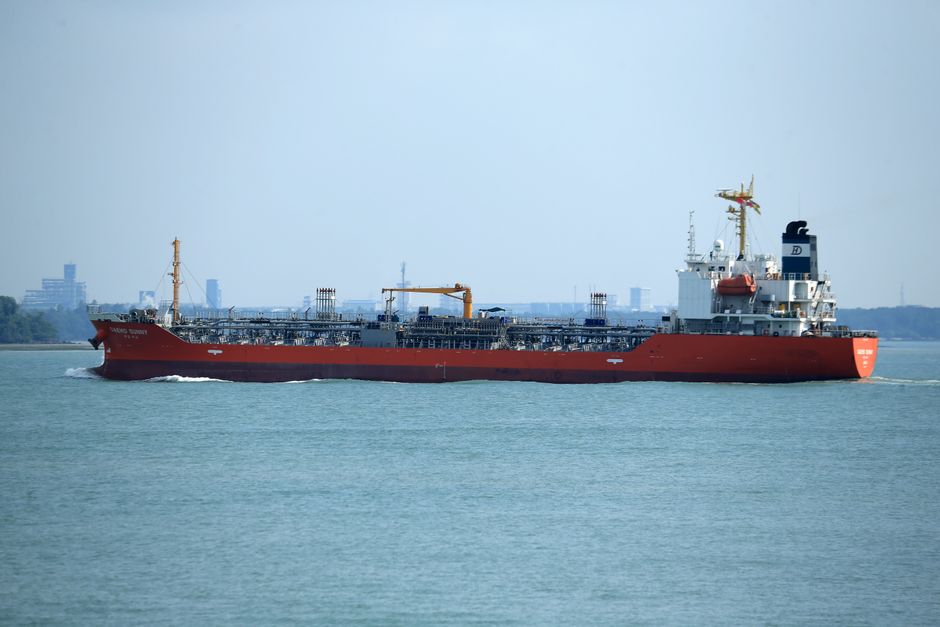
A Thai-flagged cargo vessel heading to Gujarat's Kandla Port was reportedly attacked in the Strait of Hormuz, with three crew members missing.

Thai Cargo Ship Attacked En Route to Gujarat’s Kandla Port
In a developing story that has caught the attention of maritime watchdogs globally, a Thai-flagged cargo ship, reportedly on its way to Gujarat's bustling Kandla Port in India, has come under attack in the high-stakes waters of the Strait of Hormuz. Reports indicate that this incident has raised concerns about the safety of commercial shipping in one of the world's most critical sea lanes.

While details are still emerging, the initial reports suggest a serious breach of maritime security. For a vessel navigating these sensitive straits, an attack can have far-reaching implications, not just for the crew and the shipping company, but also for international trade and regional stability.
What We Know So Far About the Incident
The cargo ship, flying the Thai flag, was reportedly making its journey towards India's western coast, specifically destined for Kandla Port, a major hub for trade. The attack unfolded in the Strait of Hormuz, an area known for its geopolitical complexities and strategic importance.
The vessel is a Thai-flagged cargo ship.
Its intended destination was Kandla Port in Gujarat, India.
Want to build a stunning website like Vews.in?
Start your own news portal or blog today! We can build a fast, secure, and fully customized website with a powerful admin panel just like Vews.in. Connect with us now!
Chat on WhatsAppThe incident occurred in the Strait of Hormuz.
Crucially, reports from multiple sources indicate that three crew members are currently missing following the attack. The welfare of these individuals remains a paramount concern.
Authorities and maritime security agencies are expected to launch a full investigation into the circumstances surrounding the attack and to determine the fate of the missing crew members.
The Strait of Hormuz: A Critical Maritime Chokepoint
For those unfamiliar with the geography, the Strait of Hormuz isn't just any stretch of water. It's a narrow passage that connects the Persian Gulf with the Gulf of Oman and the Arabian Sea. Think of it as a vital artery for global commerce.
Approximately one-fifth of the world's total oil consumption and a significant portion of liquefied natural gas (LNG) pass through this strait.
Its strategic location makes it incredibly sensitive to geopolitical tensions, and incidents involving commercial shipping, while not an everyday occurrence, are unfortunately not unheard of.
The strait is flanked by Iran to the north and Oman's Musandam Governorate to the south, highlighting its complex security landscape.
Any disruption in this area can have a ripple effect on global energy markets and international trade routes, underscoring why vigilance and security are always at the forefront for vessels transiting these waters.
Implications and Ongoing Concerns
This attack on a cargo ship bound for India highlights the persistent challenges faced by the global shipping industry in volatile regions. Such incidents not only pose immediate dangers to the crew and cargo but can also lead to increased insurance premiums, rerouting of vessels, and delays in supply chains.
As the situation develops, the focus will undoubtedly be on ensuring the safety of seafarers and maintaining freedom of navigation through international waters. The maritime community, alongside national governments, will be closely watching for further updates and any actions taken to address this alarming incident.
A Call for Continued Vigilance
The attack on the Thai cargo ship serves as a stark reminder of the unpredictable nature of maritime security in certain parts of the world. As investigations proceed and efforts are made to locate the missing crew, this incident will likely prompt renewed discussions on measures to enhance safety and security for all vessels navigating through critical global chokepoints like the Strait of Hormuz.
This news article is automatically generated and published by an AI system. It selects trending topics from the internet and Google News, verifies information from multiple sources, and posts the article automatically without manual human publishing. Links to the original sources used for verification are provided below. As this is an automated process, occasional errors or incomplete information may occur.