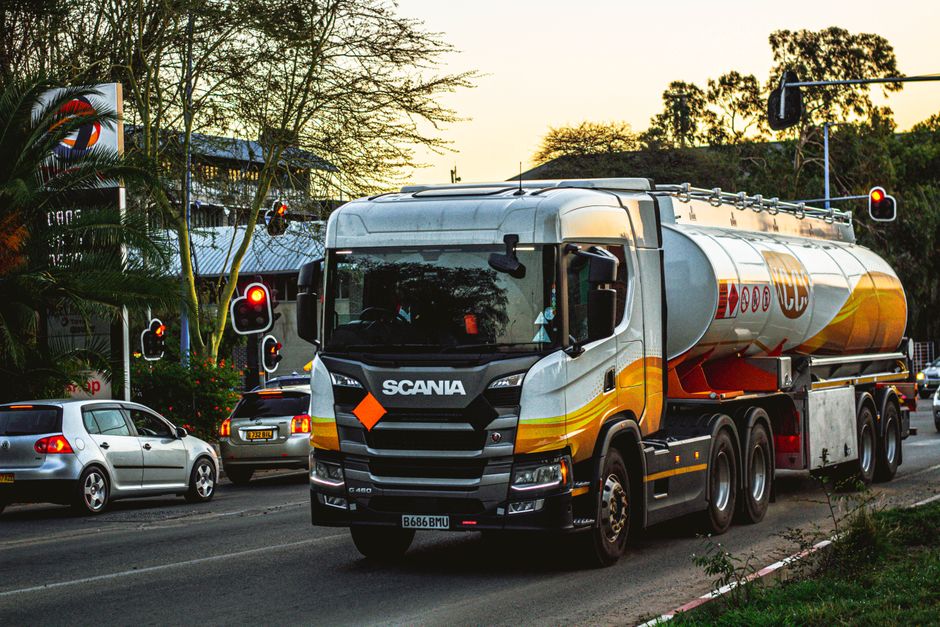
West Asia Turmoil Squeezes India's LPG: Restaurants Brace for 'Crisis Menus'
Geopolitical tensions in West Asia are impacting India's LPG supply, prompting the NRAI to advise restaurants on 'crisis menus' to conserve fuel.
Global Jitters Hit Local Kitchens: West Asia Crisis Impacts India's LPG Supply
Hey there! Ever thought about how faraway events can affect what's cooking in your favourite local restaurant? Well, it's happening right now. The ongoing tensions in West Asia are creating ripples that are reaching kitchens across India, particularly impacting the supply of Liquefied Petroleum Gas (LPG). This has led the National Restaurant Association of India (NRAI) to issue a crucial advisory, asking eateries to consider adopting 'crisis menus' to navigate the challenging times.

It’s a bit of a domino effect: geopolitical instability in a key region means disruptions to global energy markets, and that trickles down to our domestic fuel supplies, including the commercial LPG cylinders that power countless restaurant stoves.
The LPG Crunch: What's Really Going On?
The West Asia region is a major hub for global energy resources. When there's any kind of unrest or uncertainty there, it naturally affects the movement and pricing of essential commodities like crude oil and gas. For India, which relies significantly on imports to meet its energy needs, this means potential delays in shipments, higher procurement costs, and, ultimately, a tighter supply of LPG.
This isn't just a minor inconvenience; it's a significant operational hurdle for businesses that depend heavily on a steady, affordable supply of cooking gas. Restaurants, especially, are feeling the heat (or rather, the lack of it) as they grapple with the prospect of an inconsistent LPG flow.
NRAI Steps In: The Call for 'Crisis Menus'
Recognizing the gravity of the situation, the National Restaurant Association of India (NRAI), which represents a huge chunk of the country's food service industry, has sprung into action. They've advised their member restaurants to think strategically about how they manage their fuel consumption. And that's where the idea of 'crisis menus' comes into play.
Want to build a stunning website like Vews.in?
Start your own news portal or blog today! We can build a fast, secure, and fully customized website with a powerful admin panel just like Vews.in. Connect with us now!
Chat on WhatsAppWhat are 'Crisis Menus' Exactly?
- Streamlined Offerings: Instead of vast, multi-cuisine menus, restaurants might reduce the number of dishes available.
- Fuel-Efficient Cooking: Focus on items that require less cooking time or can be prepared using alternative methods if available.
- Ingredient Optimization: Prioritizing dishes that use readily available ingredients and simpler preparation processes.
- Energy Conservation: Encouraging staff to be mindful of gas usage, turning off burners when not in active use, and optimizing cooking processes.
The aim here isn't to compromise on quality but to ensure business continuity and minimize waste in the face of a resource crunch. It's about being smart and resilient in challenging circumstances.
Potential Ramifications: Beyond the Kitchen
While 'crisis menus' are a proactive step, the ripple effects of an LPG shortage can be far-reaching for the restaurant industry. It’s not just about what's on the plate; it’s about livelihoods and the broader economy.
The Challenges Ahead:
- Operational Hurdles: Restaurants might struggle to maintain consistent service if gas supplies are erratic.
- Financial Strain: Increased costs for LPG (if available) can squeeze profit margins, forcing difficult decisions.
- Job Security Concerns: NDTV Profit recently highlighted a dire warning from the NRAI about 'massive job losses'. If restaurants can't operate efficiently, or are forced to scale down significantly, it could lead to layoffs, particularly in major culinary hubs like Mumbai, Pune, and Bengaluru.
- Impact on Consumers: Diners might see fewer choices, potentially longer waiting times, or even slight price adjustments to offset rising operational costs.
It's a tough spot for an industry that has just begun to fully recover from the challenges of recent years.
Looking Ahead: Navigating Uncertainty
The current situation underscores how interconnected our world truly is. A conflict thousands of miles away can directly influence the daily operations of a local eatery. For now, restaurants are being urged to innovate and adapt, exploring every possible avenue to conserve fuel and maintain their services.
While the long-term resolution depends heavily on global stability, the immediate focus for the restaurant sector is on resilience and smart management. Here's hoping things stabilize soon, allowing our favourite eateries to get back to their full, delicious glory without having to worry about fuel for the fire!
This news article is automatically generated and published by an AI system. It selects trending topics from the internet and Google News, verifies information from multiple sources, and posts the article automatically without manual human publishing. Links to the original sources used for verification are provided below. As this is an automated process, occasional errors or incomplete information may occur.