Nowruz: Unpacking the Ancient Traditions of the Iranian New Year Amidst Modern Realities
Explore Nowruz, the ancient Iranian New Year and spring festival, its rich traditions, global celebrations, and contemporary significance.
Key Highlights
- Nowruz, meaning 'new day', marks the Spring Equinox and the traditional Iranian New Year.
- Celebrated for over 3,000 years, it is observed by millions globally, particularly across the Middle East, Central Asia, and the Caucasus.
- The Haft-Seen table, featuring seven symbolic items starting with the Persian letter 'S', is central to the festivities, representing renewal and hope.
Nowruz: A Timeless Celebration of Renewal
Nowruz, pronounced 'no-rooz', is more than just a new year; it is an ancient festival deeply rooted in Zoroastrianism, celebrating the arrival of spring and the rebirth of nature. This pivotal moment occurs precisely at the vernal equinox, when the sun crosses the celestial equator, signaling equal day and night across the globe. For millions, it marks the first day of the new year, embodying hope, renewal, and unity.
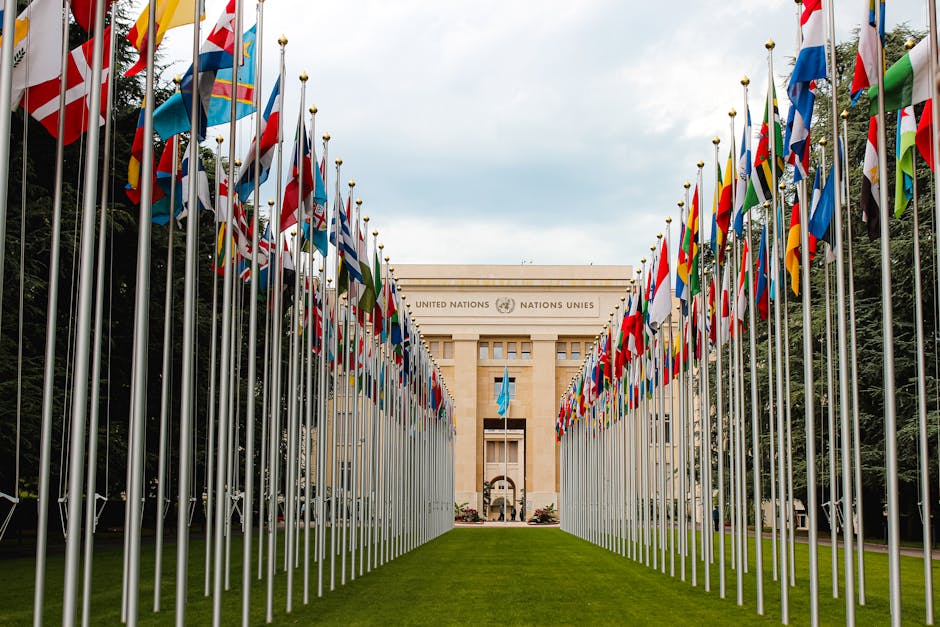
Observed for millennia, Nowruz's reach extends far beyond Iran. It is a cherished holiday in countries such as Afghanistan, Azerbaijan, India, Pakistan, Turkey, Uzbekistan, and Tajikistan, among others. The United Nations recognized March 21st as the International Day of Nowruz in 2010, acknowledging its significance as a cultural heritage and a celebration of peace and solidarity.
The Symbolic Heart: The Haft-Seen Table
Central to Nowruz preparations is the meticulous arrangement of the Haft-Seen table, a collection of seven symbolic items, all beginning with the Persian letter 'S'. Each item holds profound meaning, wishing prosperity and happiness for the year ahead.
- Sabzeh: Wheat, barley, or lentil sprouts growing in a dish, symbolizing rebirth and renewal.
- Samanu: A sweet pudding made from wheat germ, representing affluence and fertility.
- Senjed: Dried wild olive, symbolizing love and affection.
- Sir: Garlic, representing health and medicine.
- Sib: Apple, symbolizing beauty and health.
- Somāq: Sumac fruit, symbolizing the color of sunrise and the triumph of good over evil.
- Serkeh: Vinegar, symbolizing age and patience.
Beyond these seven, other items often adorn the table: a mirror for self-reflection, candles for light and happiness, colored eggs for fertility, coins for wealth, and a holy book or a poetry collection like Hafez's Divan, to offer blessings and wisdom.
Traditions That Bind Generations
Preparations for Nowruz begin weeks in advance with 'khaneh takani' or spring cleaning, a thorough cleansing of homes to welcome the new year with freshness. The final Tuesday evening before Nowruz sees 'Chaharshanbe Suri', the Festival of Fire. People light bonfires and jump over them, chanting phrases that ask the fire to take their sickness and give them health and warmth.
Want to build a stunning website like Vews.in?
Start your own news portal or blog today! We can build a fast, secure, and fully customized website with a powerful admin panel just like Vews.in. Connect with us now!
Chat on WhatsAppOn Nowruz itself, families gather for the precise moment of the equinox, often exchanging gifts and enjoying elaborate meals. The celebrations typically extend for 13 days, culminating in 'Sizdah Be-dar', literally meaning 'thirteen outdoors'. On this day, families spend time in nature, picnicking and throwing their 'sabzeh' into flowing water, symbolizing the return of life to nature and warding off bad luck.
Nowruz in a Modern Era: Resilience Amidst Shadows
While the core traditions of Nowruz remain steadfast, its observance in contemporary times, particularly for Iranians, often carries deeper layers of meaning. In an era marked by geopolitical complexities and regional tensions, the message of hope and renewal embedded in Nowruz takes on added resonance. Recent reports from various sources highlight how many Iranians are celebrating this year under the shadow of ongoing global and regional challenges. The desire for peace and stability becomes a silent prayer alongside the traditional festivities. As the broader Middle East region navigates intricate geopolitical shifts, including recent reports of missile activities, the symbolic significance of Nowruz as a beacon of optimism for a better future gains increased poignancy for many observers.
Despite the contemporary context, the spirit of Nowruz endures, a testament to the resilience of culture and the human desire for new beginnings. It remains a powerful symbol of identity, community, and the timeless cycle of life.
For more detailed news coverage, visit Vews.in.
This news article is automatically generated and published by an AI system. It selects trending topics from the internet and Google News, verifies information from multiple sources, and posts the article automatically without manual human publishing. Links to the original sources used for verification are provided below. As this is an automated process, occasional errors or incomplete information may occur.