 31°C Riyadh
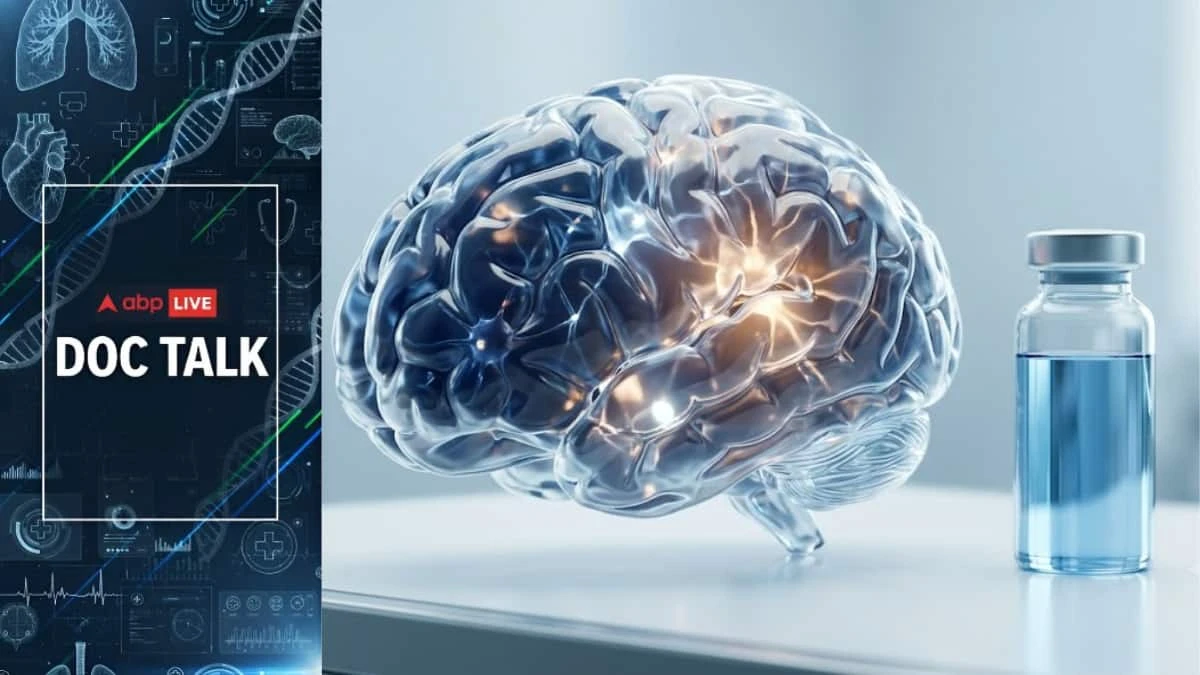
Blood Test Breakthrough: Can We Spot Alzheimer's Before Memory Fades?
New blood tests show promise in identifying Alzheimer's disease long before severe memory loss begins. This could revolutionize early diagnosis and patient care.

H
Health
NEWS CARD


Vews
https://vews.in/s/0bIkKA
Date
08 October 2026
A quiet revolution is brewing in Alzheimer’s research. Scientists are developing sophisticated blood tests that promise to identify the markers of this devastating neurodegenerative disease years, perhaps even decades, before noticeable memory loss takes hold. This potential paradigm shift offers a glimmer of hope, fundamentally altering how patients and their doctors approach dementia.




Frequently Asked Questions
While highly promising, current blood tests are generally used as screening tools to indicate the presence of amyloid or tau pathology. A definitive diagnosis often still requires confirmatory tests like PET scans or spinal taps, along with clinical evaluation. They are becoming increasingly accurate but are not yet standalone diagnostic tools in all contexts.
Some blood tests for Alzheimer's biomarkers are already available in specialized clinical settings, particularly for research or to aid in diagnosis alongside other methods. Widespread availability as a routine screening tool is still under evaluation, pending further clinical validation, regulatory approvals, and established guidelines for their use.
Early detection opens doors for timely interventions, including lifestyle adjustments, risk factor management, and potentially accessing emerging disease-modifying therapies. It allows patients and families to plan for the future, understand the progression, and engage in clinical trials, offering a significant advantage over late-stage diagnosis.
AI Assisted
This content was generated with the help of artificial intelligence.
What's Your Reaction?
 Like
0
Like
0
 Dislike
0
Dislike
0
 Love
0
Love
0
 Funny
0
Funny
0
 Wow
0
Wow
0
 Sad
0
Sad
0
 Angry
0
Angry
0

Online Desk
Viewer
Online Desk: Stay updated with the latest news and stories from Vews and beyond. Get comprehensive coverage on local events, politics, lifestyle, culture, and more. Join us for unbiased and reliable news reporting.
Comments (0)